
As a homeowner, it’s important to understand the basics of how your HVAC system operates to maintain a comfortable environment for your family. Refrigerants, like Freon, are a central component in air conditioners and heat pumps to effectively transfer heat from one location to another. Understanding how they work and why certain ones are being phased out can help you make better-informed purchasing decisions.
What Is Freon?
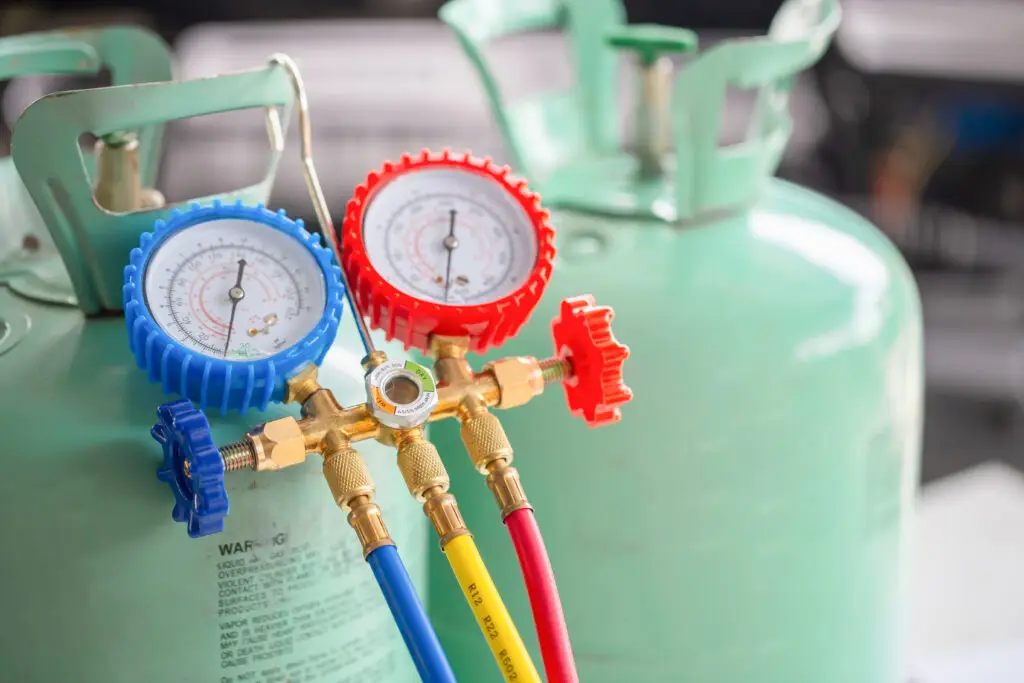
Freon is actually a trade name developed to describe a group of chemical refrigerants. These include R-12 and R-22. R-22 refrigerant has been widely used in residential and commercial cooling systems for decades.
How Refrigerant Works in Your HVAC System
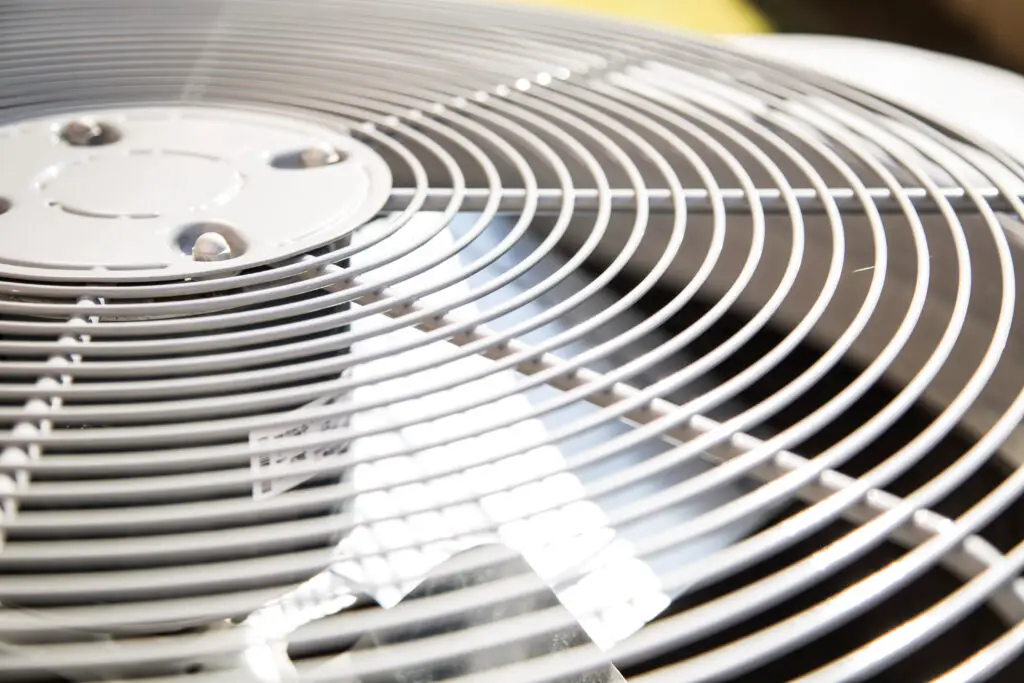
Refrigerant is a key component in any home or commercial air conditioning system or heat pump. It flows through a closed loop system of coils that connects your indoor air handler unit to your outdoor condenser unit. These lines connect to a compressor and have expansion valves. For an air conditioning system, refrigerant is pumped into your home through the refrigerant lines into the evaporator coil.
As air passes over the evaporator coil in the indoor air handler unit, heat naturally gets absorbed into the refrigerant inside the coil. This is because heat always moves to low-pressure substances. Because the refrigerant is at a lower pressure than the air inside your home, heat moves from the air to the refrigerant.
As the refrigerant absorbs heat, it changes from a low-pressure liquid to a gas. As the gas gets pumped to the outdoor condenser unit, it gets compressed. This raises its pressure and temperature. As the hot, high-pressure gas travels through the condenser coil at your outdoor unit, the heat gets released into the outside air. This is because the outside air is of lower pressure than the refrigerant.
When the refrigerant releases the heat, it condenses back into a liquid to repeat the cycle all over again. Having an adequate amount of refrigerant inside your air conditioning or heat pump system is necessary to provide efficient system operation. Minimal refrigerant can lead to issues like system inefficiency, increased wear and tear, and ultimately system failure.
Refrigerant Phase-Outs: What Homeowners Need to Know
There are many different HVAC refrigerant types. Over the years, certain types of refrigerants have been phased out. For example, there’s the R-22 phase-out and the R-410A phase-out. Understanding why both of these are happening can help you make a better informed purchasing decision for the future.
The R-22 (Freon) Phase-Out
R-22, also known commonly as Freon, has been phased out by the U.S. Environmental Protection Agency (EPA). As of 2020, no new R-22 refrigerant can be produced. Any remaining supplies can only be extracted from recycled systems. Due to the drastic decrease in R-22 supplies, it has become exceedingly expensive to purchase. The R-22 phase-out is the result of environmental research showing that it contributed significantly to issues like global warming and the depletion of the ozone layer.
The 410A Refrigerant Phase-Out
R-410A refrigerant was the go-to replacement for R-22. It was originally thought to be more eco-friendly. However, it’s been discovered that it actually contributes to global warming, too. The R-410A phase-out is currently underway. HVAC providers can no longer install or produce systems that utilize R-410A refrigerant. Its production is being scaled down over the coming decade, which will increase the price of remaining supplies.
New Refrigerants Replacing 410A
With the phase-out of both R-22 and R-410A refrigerant, newer refrigerants are taking over. These include types like R-32 and R-454B. These are known to have a lower environmental impact. They can increase the performance of your system due to their higher operating efficiency. It’s important to note that HVAC manufacturers had to completely redesign air conditioning and heat pump systems to specifically use these newer refrigerants.
What This Means for Homeowners
With a change in available HVAC refrigerant types, it brings on a few different changes that homeowners need to be aware of. One of the most important things is that you can’t get AC refrigerant replacement for your R-410A system. Older systems using R-410A can’t be retrofitted to use one of the newer refrigerants due to the pressure differences between them. If your system still relies on R-410A refrigerant, getting AC refrigerant recharges will get more and more expensive.
When to Replace Your Air Conditioner
There are many different factors you want to take into consideration when it comes to the decision of replacing your air conditioner. These include things like its age, its refrigerant type, efficiency, and repair costs. In general, most systems will last about 10 to 15 years. If you have a system that uses R-410A refrigerant and is getting up there over the 10-year mark, upgrading may be necessary. If your system requires frequent repairs, has reduced cooling capacity, and your energy bills are on the rise, investing in a new system could be beneficial. However, if your existing system is under 10 years old, it’s typically best to keep using it.
Benefits of Upgrading to New Refrigerant Systems
Upgrading to a system that uses one of the newer R-454B or R-32 refrigerants can come along with many advantages. The most notable is that they’ll provide better energy efficiency. This will reduce your monthly utility costs and your environmental impact. Newer systems tend to be designed with advanced features, like variable speed motors, that can improve your comfort and provide quieter system operation.
These newer units are compatible with smart thermostats and other automation features, making them more convenient to use. Choosing a system with a newer refrigerant can provide you with peace of mind about the long-term reliability of your unit. Getting a new system comes along with new warranty coverage so that you’re not stuck paying out of pocket for unexpected repairs. You can also ditch your old system, which is bad for the environment, and be more eco-friendly with your new one.
Contact Us Today
(305) 423-0400Trust Irwin’s Air for AC Replacement & Repair in Key Largo, FL
Irwin’s Air provides exceptional AC installation services for Key Largo, FL, and the surrounding communities. We can also assist with all your air conditioner repair, replacement, and maintenance needs. Contact our office today to schedule an appointment with one of our knowledgeable HVAC technicians.